
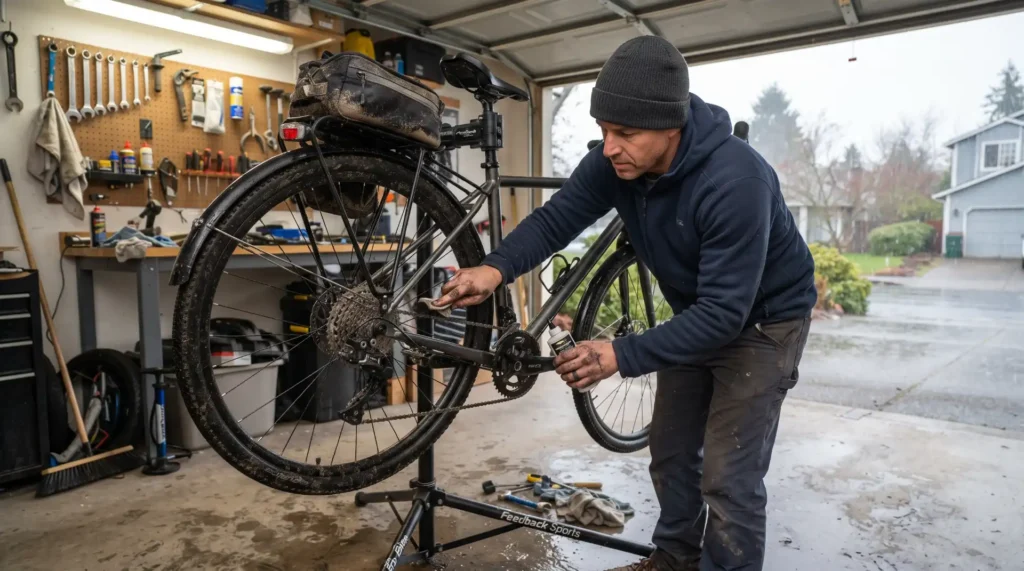
Winter cycling can be rewarding, practical, and surprisingly enjoyable, but cold and wet weather can place additional demands on both the rider and the bicycle. Across the United States, cyclists face very different winter conditions. Riders in the Pacific Northwest may deal with weeks of rain, while cyclists in the Northeast and Midwest may encounter snow, ice, freezing temperatures, road salt, and slush. In parts of California, Arizona, Texas, Florida, and the Southeast, winter may bring milder temperatures but still include periods of heavy rain, wet roads, and shorter daylight hours.
Whatever the climate, winter is a season when regular bicycle maintenance becomes particularly important. Water can reach the drivetrain, road grit can collect around moving parts, and road salt can accelerate corrosion. Cold temperatures can also influence tire pressure, while wet pavement and debris can make braking and handling more demanding. A bicycle that is neglected during several months of difficult weather can develop problems that become expensive or inconvenient later.
The good news is that protecting a bicycle through winter does not require an advanced workshop or complicated maintenance schedule. Most riders can significantly improve the condition of their bikes by developing a few consistent habits: inspecting the bicycle before rides, cleaning it after wet or dirty trips, drying important components, lubricating the drivetrain correctly, monitoring tire pressure, checking brakes, and storing the bike in a protected location.
This guide explains how U.S. cyclists can prepare their bicycles for winter, what components deserve the most attention, how wet-weather riding affects maintenance, and when a professional bicycle shop should be involved.
Why Winter Weather Is Harder on a Bicycle
A bicycle is made up of numerous moving and exposed components. During a dry summer ride, many of those parts may encounter little more than dust and normal road debris. Winter introduces a different combination of moisture, dirt, grit, mud, salt, and temperature changes.
Water is one of the biggest concerns. Rain and road spray can reach the chain, cassette, derailleur, brake components, cables, bolts, wheel hubs, and other areas. Water by itself is not necessarily catastrophic, but repeated exposure followed by inadequate drying can create conditions that encourage corrosion and contamination.
Road grime makes the problem more complicated. When water mixes with dirt and fine particles from the road, the resulting material can accumulate around the drivetrain. If lubricant is added without cleaning the chain first, the lubricant can trap that contamination against the moving surfaces.
In areas where roads are treated with salt or other winter chemicals, the maintenance challenge can become greater. Salt residue can remain on bicycle components after the visible water has dried. Riders who commute through treated roads may therefore need to clean their bikes more frequently than cyclists who ride primarily on clean, dry paths.
Winter also changes how riders use their bicycles. Shorter daylight hours can mean more riding in darkness or low light. Wet pavement can increase stopping distances and reduce traction. Potholes may be hidden by puddles, leaves can become slippery, and freezing conditions can create patches of ice that are difficult to see.
For those reasons, winter bike maintenance should be viewed as part of an overall riding routine rather than simply a cosmetic cleaning task.
Inspect Your Bicycle Before Winter Riding Begins
Before the first serious stretch of winter riding, take time to inspect the entire bicycle. This is particularly useful if the bike was heavily used throughout spring, summer, and fall. A component that was already showing signs of wear may become more troublesome once exposed to rain, cold temperatures, mud, and road salt.
Begin with the tires. Examine the tread and sidewalls for cuts, cracks, excessive wear, embedded glass, stones, or other damage. Check that the tires are properly seated and that there are no obvious bulges or deformities. A tire that is already worn may not be the best choice for several months of wet-weather riding.
Next, check the brakes. Squeeze the brake levers and pay attention to how they feel. Braking should be predictable and consistent. If a lever feels unusually soft, a brake rubs continuously, or stopping performance has noticeably deteriorated, the issue should be addressed before regular winter riding.
Inspect the chain and drivetrain for accumulated grime or signs of corrosion. Shift through the gears and listen for unusual sounds. The bicycle does not need to be perfectly silent, but sudden changes in drivetrain noise can indicate that cleaning, lubrication, adjustment, or component replacement may be necessary.
Check the wheels, spokes, pedals, handlebars, saddle, seatpost, and visible fasteners. Look for anything loose, damaged, or unusually worn. This inspection does not have to replace a professional tune-up, but it gives the rider an opportunity to identify obvious problems before they become more serious.
The National Highway Traffic Safety Administration recommends checking that a bicycle is ready to ride, including making sure tires are properly inflated and brakes work correctly. NHTSA’s bicycle safety guidance provides additional U.S.-specific information on bicycle readiness, visibility, and riding safely around traffic.
Clean Your Bicycle After Wet Rides
One of the most effective winter maintenance habits is cleaning the bicycle soon after a wet or dirty ride. That does not mean every ride requires a complete teardown. In many cases, a few minutes with a clean cloth and appropriate bicycle cleaning supplies can remove much of the moisture and road grime that would otherwise remain on the bike.
Start by wiping down the frame and fork. Pay particular attention to the underside of the frame, chainstays, seatstays, fork legs, and areas behind the wheels. These locations can collect significant amounts of water and dirt from tire spray.
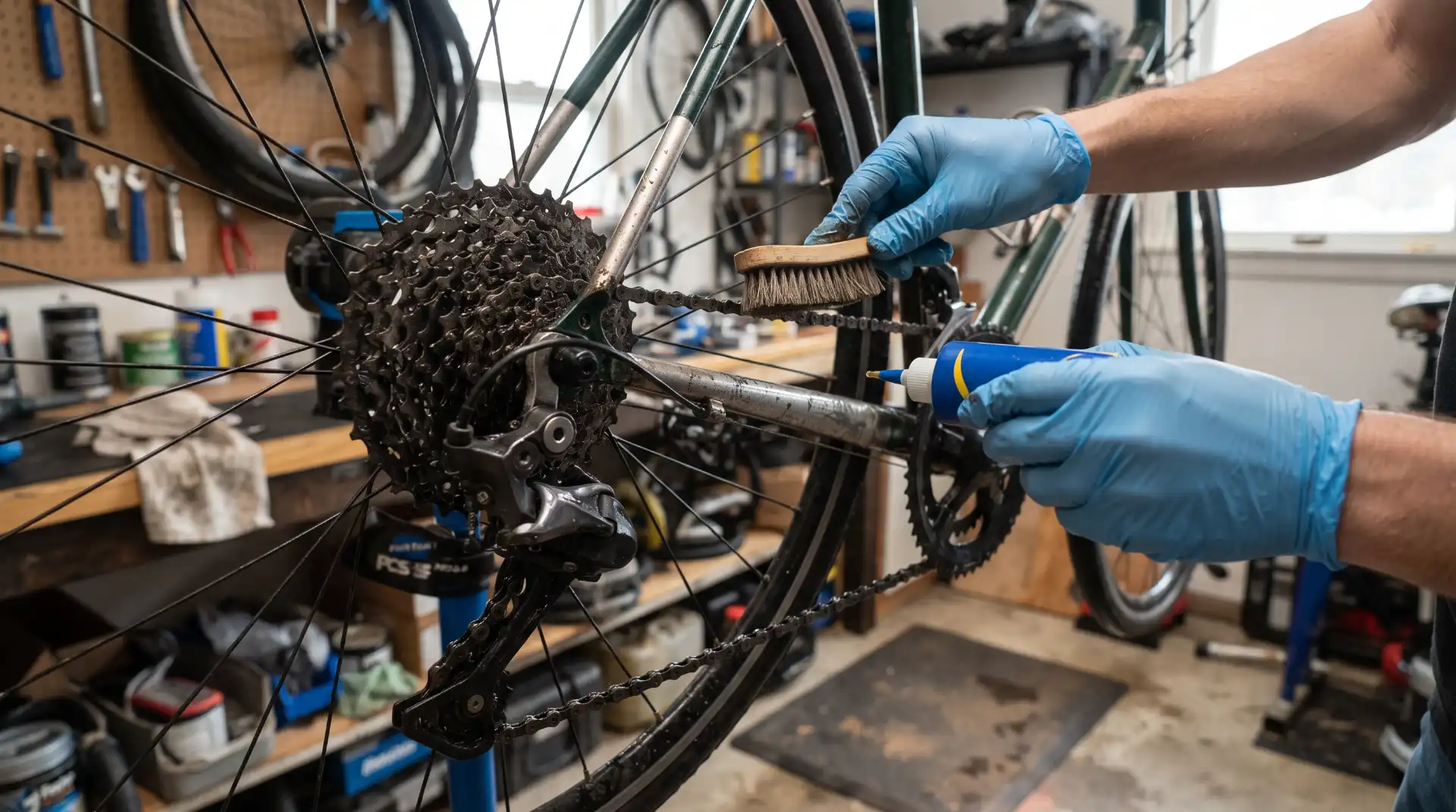
Next, look at the drivetrain. The chain, cassette, chainrings, and derailleur can accumulate gritty material that increases wear. If the drivetrain is only slightly dirty, a careful wipe may be sufficient. If it is heavily contaminated, use an appropriate bicycle drivetrain cleaning method before applying fresh lubricant.
Avoid treating the bicycle like a vehicle that needs to be blasted with a high-pressure hose. Forceful water can push moisture and contaminants into bearings and other areas where they are difficult to remove. Gentle cleaning is usually a better approach for a bicycle.
After cleaning, dry the bicycle thoroughly. Use clean towels around the frame and components and allow the bike to finish drying in a location with reasonable airflow.
Why Drying Your Bike Matters
Many riders remember to wash a bicycle after rain but forget that drying is equally important. A wet bicycle placed immediately into a dark, poorly ventilated storage area can remain damp for an extended period.
Moisture can remain around bolts, cables, drivetrain components, brake hardware, and other small areas. Over time, repeated exposure can contribute to corrosion or other maintenance problems.
After a wet ride, give the bicycle a basic drying routine. Wipe the frame, wheels, drivetrain, handlebars, seatpost, and other exposed surfaces. If the bicycle has fenders, inspect the areas underneath them because mud and water can collect there.
Indoor storage is generally preferable when practical. A dry garage can work well, provided the bicycle is not left covered in moisture and the storage area allows sufficient airflow. In especially cold regions, bringing sensitive components or batteries indoors may also be appropriate depending on the manufacturer’s instructions.
Use the Right Chain Lubricant for Winter
Chain lubrication becomes particularly important when riding in wet conditions. Rain can remove or dilute lubricant, while dirt and grit can contaminate the chain. A chain that remains dry and contaminated for long periods may experience unnecessary friction and wear.
Wet-weather bicycle lubricants are generally formulated to remain on the drivetrain during damp conditions. They can be useful for riders who regularly commute through rain or ride on wet roads.
However, using more lubricant does not automatically provide better protection. Excess lubricant can attract dirt and create a sticky layer of contamination around the chain and drivetrain.
The better approach is to clean the chain first, allow it to dry, apply an appropriate amount of bicycle-specific lubricant, and then wipe away excess product. The lubricant needs to remain on the appropriate moving surfaces without coating the entire drivetrain in a thick layer.
Riders who regularly alternate between dry and wet conditions may need to adjust their lubrication routine throughout the season. The important point is to select a lubricant appropriate for the environment and to keep the drivetrain clean enough that the lubricant can do its job.
Give the Bicycle Chain Extra Attention
The chain is one of the most exposed and heavily used components on a bicycle. It moves continuously through the drivetrain while collecting contaminants from the road. During winter, the combination of moisture, grit, and lubricant can make chain maintenance especially important.
After a wet ride, wipe the chain carefully. If the chain is visibly dirty, clean it rather than simply applying additional lubricant. Once it has been cleaned and dried, apply fresh lubricant according to the product’s instructions.
Pay attention to the appearance and behavior of the chain. Surface rust, stiff links, unusual noises, poor shifting, or a chain that does not move smoothly can all indicate that additional maintenance is needed.
Frequent riders should also monitor chain wear. A worn chain can eventually contribute to accelerated wear of the cassette and chainrings. Replacing a chain at an appropriate interval can therefore be part of protecting the broader drivetrain.
Protect the Cassette and Derailleur
The rear cassette and derailleur can become extremely dirty during winter riding. Mud and road debris can accumulate between the cassette cogs and around derailleur pulleys, especially when riding through wet roads or unpaved surfaces.
When cleaning these components, use appropriate brushes and cloths rather than forcing water into every opening. Rotate the pedals while cleaning when appropriate and inspect the drivetrain from different angles so that hidden areas are not overlooked.
The derailleur should shift smoothly through its range. If shifting becomes slow, inconsistent, or noisy, contamination, cable problems, adjustment issues, or worn components may be responsible.
Do not ignore persistent shifting problems simply because the bicycle continues to move. Poor shifting can make riding less predictable and can contribute to unnecessary drivetrain wear.
Check Tire Pressure More Often During Cold Weather
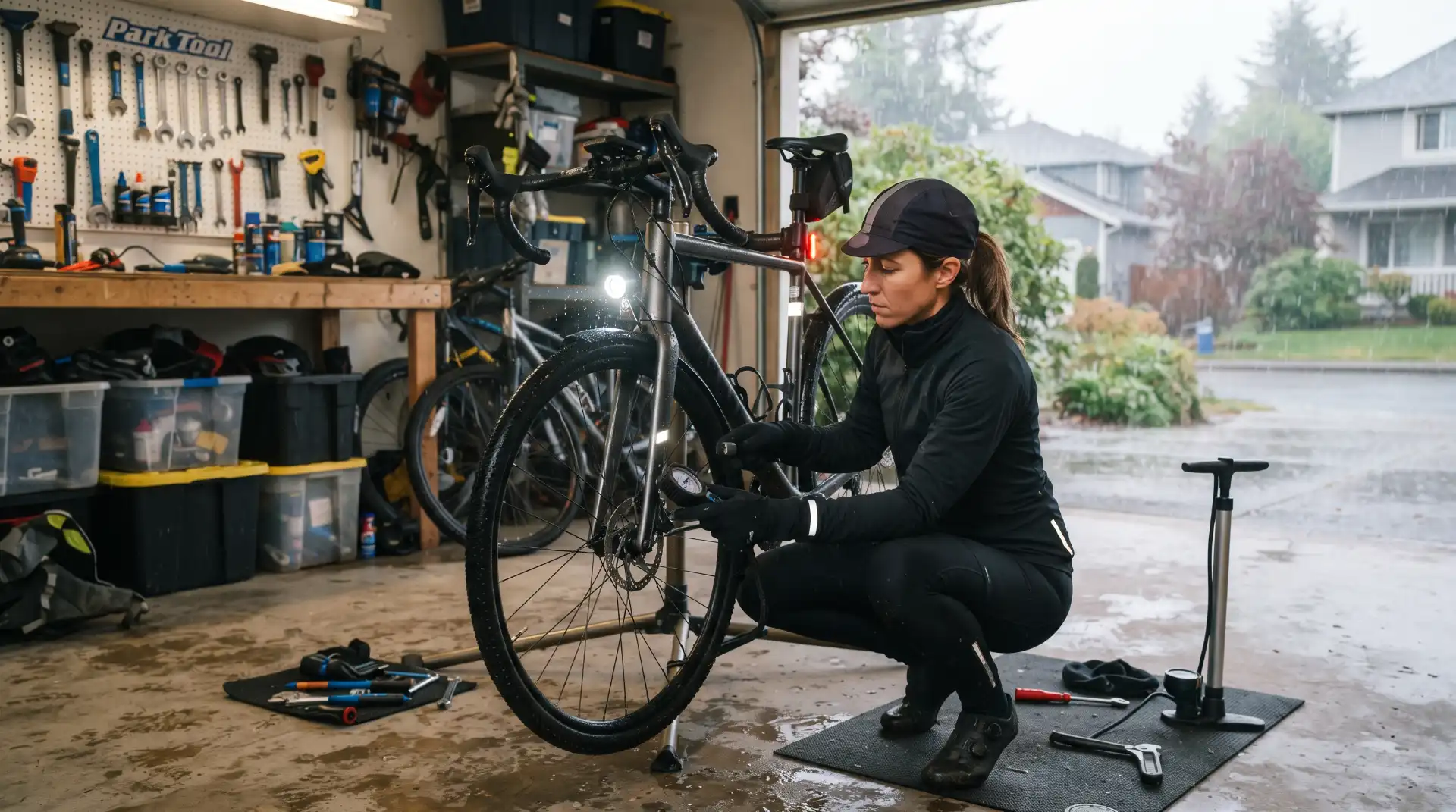
Tire pressure deserves additional attention during winter because temperature changes can affect pressure. A bicycle that is stored indoors may have a different tire pressure after spending time outside in much colder conditions.
Use a reliable pressure gauge rather than judging pressure solely by squeezing the tire. Follow the pressure range specified by the tire manufacturer and consider factors such as rider weight, tire size, bicycle type, and riding surface.
Some cyclists prefer running pressure toward the lower end of the manufacturer’s recommended range when riding on rough or wet surfaces because it can provide a different balance of comfort and traction. However, riders should not go below the manufacturer’s specified range without a clear reason and appropriate knowledge of the tire and rim combination.
Inspect the tires whenever you check pressure. Look for cuts, punctures, worn tread, embedded objects, and damaged sidewalls. Winter is not the time to postpone replacing a tire that is already showing significant wear.
Consider Full-Coverage Fenders
Fenders can be one of the most useful upgrades for riders who regularly cycle through rain. They reduce the amount of water and road debris thrown upward by the tires, helping keep both the rider and bicycle cleaner.
For commuters, full-coverage fenders can make a noticeable difference. They can reduce the spray that reaches clothing while also limiting how much dirty water reaches the drivetrain and frame.
Fenders do not eliminate the need for cleaning, but they can reduce the amount of contamination reaching important bicycle components. They are especially useful for riders who continue commuting through wet weather rather than only riding when roads are dry.
Make sure the fenders are installed correctly and that there is adequate clearance between the fender and tire. Mud, stones, and other debris can become trapped in a narrow gap, potentially causing rubbing or interfering with wheel rotation.
Pay Close Attention to Winter Brake Maintenance
Braking is especially important during winter because wet roads can change how quickly a bicycle slows down. Water, grit, mud, and road contamination can affect braking surfaces, while worn brake pads or poorly adjusted systems can create additional problems.
Rim-brake users should inspect the brake pads and braking surfaces regularly. Disc-brake users should monitor the condition of their pads and rotors and pay attention to changes in braking performance.
Unusual squealing does not always mean that brakes are unsafe, but persistent noise combined with weak or inconsistent braking should be investigated. If the brakes do not feel normal, do not simply assume the weather is responsible.
NHTSA specifically recommends checking brakes before riding. Its bicycle safety resources also emphasize visibility and making sure the bicycle is functioning properly before heading onto the road.
How Road Salt Can Affect Your Bicycle
Road salt is a major winter concern for cyclists in many parts of the United States. Municipalities use salt and other treatments to improve road conditions during freezing weather, but those substances can remain on road surfaces and become part of the spray thrown onto bicycles.
Salt residue can contribute to corrosion when combined with moisture. Riders who regularly travel on treated roads should therefore consider more frequent cleaning than they might use during the summer.
After riding on salted roads, pay attention to the drivetrain, wheels, bolts, cables, brake hardware, and other exposed metal components. Removing visible residue and allowing the bicycle to dry can help limit prolonged exposure.
Do not assume that the problem is limited to bicycles in states such as New York, Michigan, Minnesota, Wisconsin, or Massachusetts. Any U.S. cyclist riding through areas where winter road treatments are used can encounter these conditions.
Inspect Cables, Housing, and Moving Parts
Mechanical brake and shifting cables can also deserve additional attention during wet seasons. Cables run through housing designed to protect them, but moisture and contamination can still become a problem when housing is damaged, worn, or poorly sealed.
Pay attention to changes in shifting or braking. A lever that feels unusually stiff, a derailleur that does not return smoothly, or gears that become difficult to select may indicate a cable or housing issue.
Rather than forcing a component that feels stuck, investigate the cause. Continued force can sometimes make a small mechanical problem worse. A bicycle shop can replace cables and housing or diagnose problems when home maintenance is not enough.
Winter Storage: Keep Your Bike Protected
Proper storage can reduce the amount of maintenance required throughout winter. A bicycle that is stored outdoors under constant exposure to rain, snow, freezing temperatures, and humidity will generally experience more environmental stress than one stored in a dry, protected location.
A garage is often a practical option for U.S. cyclists. If the garage is damp, however, the bicycle should still be dried after wet rides before it is stored.
A bicycle cover can be useful when outdoor or semi-outdoor storage is unavoidable, but covering a soaking-wet bicycle in a poorly ventilated location can trap moisture. The objective should be protection combined with reasonable airflow.
Indoor storage also makes it easier to perform regular inspections. If the bicycle is accessible, riders are more likely to notice a low tire, dirty chain, loose component, or other developing issue.
Winter Maintenance for E-Bikes
E-bike owners have some additional considerations because an electric bicycle combines conventional bicycle components with a battery and electrical system. The chain, tires, brakes, wheels, and drivetrain still require the same general winter care as those on a conventional bike.
The battery and electrical components require additional attention. Follow the manufacturer’s instructions regarding charging temperatures, storage, water exposure, and battery removal. Do not assume that an e-bike’s ability to operate in rain means every component can be treated as completely waterproof under every condition.
Cold weather can also affect battery performance. Riders who use e-bikes for winter commuting should understand the manufacturer’s recommendations for battery storage and charging rather than leaving the battery exposed to extreme temperatures unnecessarily.
My Bike Site already covers the broader differences between electric and traditional bicycles in Electric Bikes vs. Traditional Bikes: Which Is Right for You?. That article provides useful background for riders considering how an e-bike’s motor and battery affect ownership and maintenance.
Winter Maintenance for Gravel and Adventure Bikes
Gravel riders may experience particularly challenging winter conditions because their routes can include dirt roads, loose surfaces, mud, standing water, and remote sections where maintenance problems are more difficult to address.
Gravel bicycles can accumulate mud around the drivetrain and frame much faster than a bicycle used primarily on clean pavement. Riders should therefore be prepared to perform a more thorough cleaning after particularly dirty rides.
Tire selection and pressure also become important when transitioning between pavement, gravel, and wet surfaces. A tire that works well on dry gravel may behave differently when the surface becomes saturated or muddy.
My Bike Site’s existing article, Gravel Riding: Exploring the Rise of Off-Road Cycling, provides additional context on mixed-surface riding and why gravel bikes have become popular with riders looking for more versatile routes.
For riders using electric gravel bikes, winter maintenance becomes even more relevant because the bicycle combines off-road exposure with an electrical system. My Bike Site’s current Gravel E-Bikes 2026 guide also explores the growing interest in gravel e-bikes and their use for adventure and commuting.
Winter Cycling Visibility and Lighting
Winter maintenance is not limited to mechanical components. Shorter days mean many U.S. cyclists ride during darkness, dawn, dusk, or periods of poor visibility. A bicycle that is mechanically perfect still needs to be equipped appropriately for the conditions.
Check front and rear lights regularly and make sure they are securely attached. Inspect batteries or recharge rechargeable lights before rides. Reflective materials can also help make a rider more visible in low-light conditions.
NHTSA recommends that cyclists make themselves visible with bright clothing, reflective materials, and appropriate bicycle lighting in low-light and nighttime conditions. Its guidance is particularly relevant to winter commuters who may leave home before sunrise or return after sunset.
My Bike Site also discusses practical cycling equipment in Top 10 Bike Accessories Every Cyclist Should Own, which can help riders review equipment that supports safety, repairs, visibility, and everyday riding.
Winter Road Conditions Can Change Bicycle Maintenance Needs
Two rides in the same week can create completely different maintenance requirements. A dry winter afternoon may leave a bicycle relatively clean, while a rainy commute the following morning can cover the same bike in water and road grime.
Pay attention to the actual conditions rather than following a rigid calendar. If the bike was exposed to heavy rain, salt, mud, or slush, clean it sooner. If the ride was short and dry, a basic inspection may be enough.
This flexible approach makes maintenance more realistic. Instead of treating bicycle care as a major project that must happen on a particular day, riders can build small maintenance actions into their normal routine.
A Practical Post-Ride Winter Routine
When you return from a wet ride, start by parking the bicycle somewhere protected. Give the frame and wheels a quick visual inspection before wiping away obvious water and dirt.
Use a clean cloth to dry the frame, fork, wheels, handlebars, and drivetrain. If mud is present, remove it carefully rather than allowing it to dry into a hard layer around moving components.
Check the chain. If it appears dry or contaminated, clean it appropriately and apply the correct lubricant once it has dried. Wipe away excess lubricant rather than leaving the chain heavily coated.
Inspect the brakes and tires before putting the bicycle away. If you notice a puncture, damaged tire, weak brake, loose component, or other problem, address it before the next ride rather than hoping it will disappear.
How Often Should You Perform Winter Bike Maintenance?
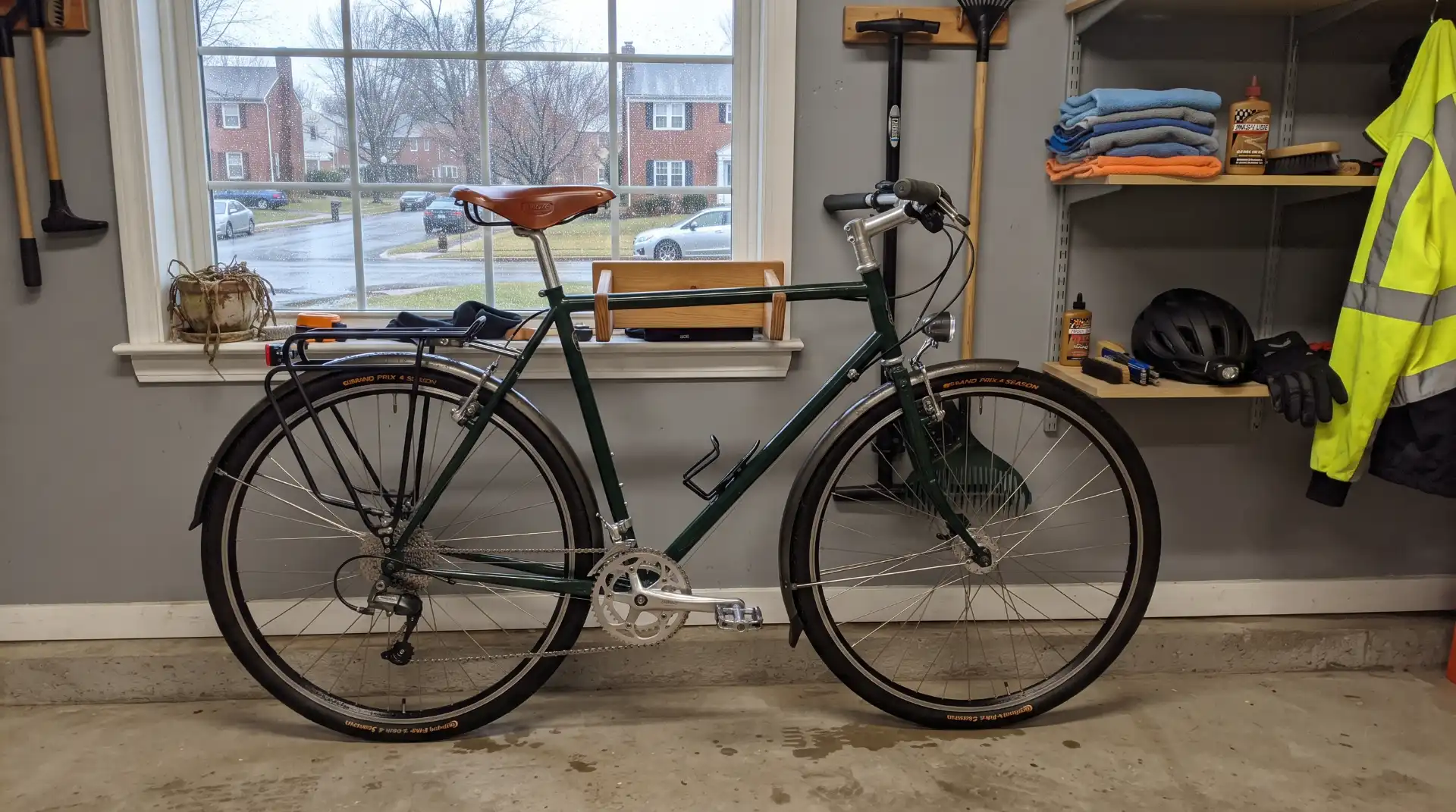
Maintenance frequency depends on mileage and conditions. Someone who rides two miles on a dry winter morning will have different needs from a cyclist commuting 15 miles every day through rain and road salt.
After a wet or particularly dirty ride, perform at least a basic cleaning and drying routine. Before each ride, check tire pressure and make sure the brakes work correctly. During the week, inspect the drivetrain and tires when you notice changes in performance.
For frequent winter riders, a more thorough inspection every few weeks can help identify developing problems. Riders who put substantial mileage on their bicycles may also benefit from periodic professional servicing.
The goal is not to maintain a perfect bicycle at all times. The goal is to catch problems early enough that they remain manageable.
Common Winter Bicycle Maintenance Mistakes
One of the most common mistakes is waiting until spring to clean the bicycle. Months of moisture, grime, and salt exposure can leave components in considerably worse condition than they were at the beginning of winter.
Another mistake is applying lubricant over a dirty chain. Fresh lubricant does not remove grit. Instead, it can hold existing contamination against the chain and drivetrain.
Using too much lubricant is another problem. More lubricant does not necessarily mean more protection. Excess product can attract dirt and create a sticky layer that increases drivetrain contamination.
Some cyclists also forget about tire pressure during cold weather. Checking tires only when they appear flat is not enough. Temperature changes and normal air loss mean that regular pressure checks remain important throughout the season.
Ignoring unusual noises is another mistake. A new grinding, clicking, rubbing, or squeaking sound does not automatically indicate a serious problem, but it deserves attention when it persists.
Winter Bicycle Maintenance by Region
The United States is too geographically diverse for one winter maintenance strategy to fit every cyclist. Regional conditions should influence how often the bicycle is cleaned and what components receive the most attention.
Pacific Northwest
Cyclists in Washington and Oregon may experience frequent rain and damp conditions. Drying, drivetrain lubrication, brake inspection, and corrosion prevention can therefore become regular parts of bicycle care.
Northeast and Midwest
Riders in states such as New York, Pennsylvania, Michigan, Wisconsin, Minnesota, and Illinois may encounter snow, ice, freezing temperatures, and road salt. Cleaning after exposure to treated roads can be especially important, while storage and battery care may require additional consideration during periods of extreme cold.
Mountain West
Cyclists in Colorado, Utah, Wyoming, Montana, and surrounding areas can encounter cold temperatures, snow, dry conditions, and rapid weather changes. Tire pressure, temperature-sensitive components, drivetrain cleanliness, and route conditions deserve attention.
Southern and Southwestern States
Winter in states such as California, Arizona, Texas, Georgia, Florida, and other southern areas can be considerably milder. However, winter storms can still produce heavy rain, wet pavement, debris, and reduced visibility. Riders should adjust maintenance according to actual conditions rather than assuming that mild temperatures eliminate winter maintenance concerns.
When Should You Visit a Bicycle Shop?
Routine cleaning and basic lubrication are tasks many cyclists can handle themselves, but professional service remains useful when a problem is beyond a rider’s experience.
Brake problems, damaged wheels, serious drivetrain wear, bearing issues, persistent shifting problems, structural damage, and electrical problems on e-bikes are examples of situations where professional inspection may be appropriate.
A winter tune-up can also be useful before the season begins. A mechanic can inspect the bicycle for worn components and make necessary adjustments before the bike is subjected to months of wet and cold conditions.
For riders who depend on their bicycles for commuting, preventive service may be particularly valuable. Finding a mechanical problem in a warm bicycle shop is considerably easier than discovering the same problem during a dark, cold commute.
How Winter Maintenance Can Extend Component Life
Regular maintenance does more than keep a bicycle looking clean. It can help protect components from unnecessary wear and make mechanical problems easier to identify.
A clean drivetrain can operate more efficiently than one covered in abrasive grime. Proper lubrication can reduce unnecessary friction. Maintaining appropriate tire pressure can support predictable handling. Keeping brakes in good condition helps ensure that stopping performance remains consistent.
Regular inspections also allow cyclists to identify wear before it spreads to other components. For example, monitoring chain wear can help prevent unnecessary damage to the cassette and chainrings. Checking tires regularly can reveal cuts or worn tread before a problem becomes more serious.
These small maintenance habits can therefore contribute to a longer service life for the bicycle and reduce the likelihood of unexpected repairs.
Preparing Your Bike for the End of Winter
When winter begins to fade, do not immediately move from winter riding to normal spring riding without inspecting the bicycle. A bike that has spent several months exposed to rain, salt, mud, and cold conditions deserves a more thorough inspection.
Clean the entire bicycle, including the drivetrain and areas that may have accumulated road salt. Check the chain, cassette, brake components, cables, tires, wheels, and fasteners.
If you used winter-specific tires or accessories, inspect them before removing them. Replace anything that has reached the end of its useful life rather than storing damaged equipment for another season.
For e-bike owners, inspect the battery and electrical system according to the manufacturer’s instructions. If the bicycle has experienced repeated wet-weather use, professional servicing may be worthwhile before the higher mileage of spring and summer begins.
Building a Simple Winter Bike Maintenance Checklist
A practical maintenance routine can be built around four stages: before the ride, immediately after the ride, during regular weekly checks, and at professional service intervals.
Before riding, check the tires, brakes, lights, and obvious signs of damage. Make sure the chain and drivetrain appear to be functioning normally and confirm that essential equipment is securely attached.
After a wet ride, remove visible water and dirt, dry the bicycle, and inspect the drivetrain and braking components. If the chain has become dirty or dry, clean and lubricate it appropriately.
During regular checks, inspect tire wear, brake pads or rotors, chain condition, shifting performance, cables, wheels, and fasteners. Pay attention to any changes that appeared after repeated exposure to winter conditions.
Professional service can then address problems that require specialized tools or knowledge. The exact timing depends on mileage, riding conditions, bicycle type, and component condition.
Winter Bike Maintenance and Safe Riding
Good maintenance cannot eliminate every winter riding hazard, but it can help make the bicycle more predictable and reliable. A rider should still consider weather conditions, road surfaces, visibility, traffic, and personal comfort before every trip.
Wet roads can contain leaves, gravel, potholes, and other hazards. Snow and ice can reduce traction significantly. Darkness and rain can make it harder for motorists to see cyclists.
NHTSA advises cyclists to ride predictably, follow traffic rules, remain visible, use appropriate lighting, and check that the bicycle is ready before riding. These principles are particularly useful during winter, when road and visibility conditions can change quickly.
For U.S. cyclists, NHTSA’s Bicycle Safety resource is a useful authoritative reference covering bicycle readiness, helmets, visibility, roadway behavior, and crash-prevention information.
Final Thoughts on Winter Bike Maintenance
Winter does not have to mean putting your bicycle away until spring. With the right maintenance routine, many cyclists across the United States can continue commuting, exercising, exploring, and enjoying their bikes throughout the colder months.
The most important habit is consistency. A bicycle that receives a few minutes of attention after a wet ride is less likely to accumulate months of damaging grime and moisture. Cleaning the drivetrain, drying exposed components, checking tire pressure, inspecting brakes, and storing the bicycle properly can all contribute to better long-term condition.
Riders should also adapt their maintenance habits to their local climate. A commuter in Seattle may need to focus heavily on rain and moisture, while someone in Minnesota may need to think more about freezing temperatures and road salt. A cyclist in Southern California may experience fewer freezing conditions but still need to deal with rain, debris, and low winter sunlight.
The same principle applies to bicycle type. Conventional bicycles require attention to their mechanical components, while e-bikes add battery and electrical-system considerations. Gravel and adventure bikes may encounter more mud and debris than bicycles used exclusively on paved roads.
The objective is not to make bicycle maintenance complicated. It is to develop a repeatable routine that catches problems early. A clean chain, properly inflated tires, functional brakes, adequate lighting, and protected storage can make winter ownership much easier.
For cyclists who ride year-round, winter should be treated as another maintenance season rather than a period when bicycle care can be ignored. Take a few minutes after wet rides, inspect the bicycle regularly, respond to unusual noises or changes in performance, and seek professional help when a problem goes beyond basic maintenance.
With those habits in place, cold and wet weather becomes a manageable part of cycling rather than a reason to abandon the bike. Whether you are commuting through a rainy American city, riding gravel roads in the Pacific Northwest, navigating winter streets in the Midwest, or enjoying milder winter conditions in the South and West, proper maintenance can help keep your bicycle ready for the miles ahead.