
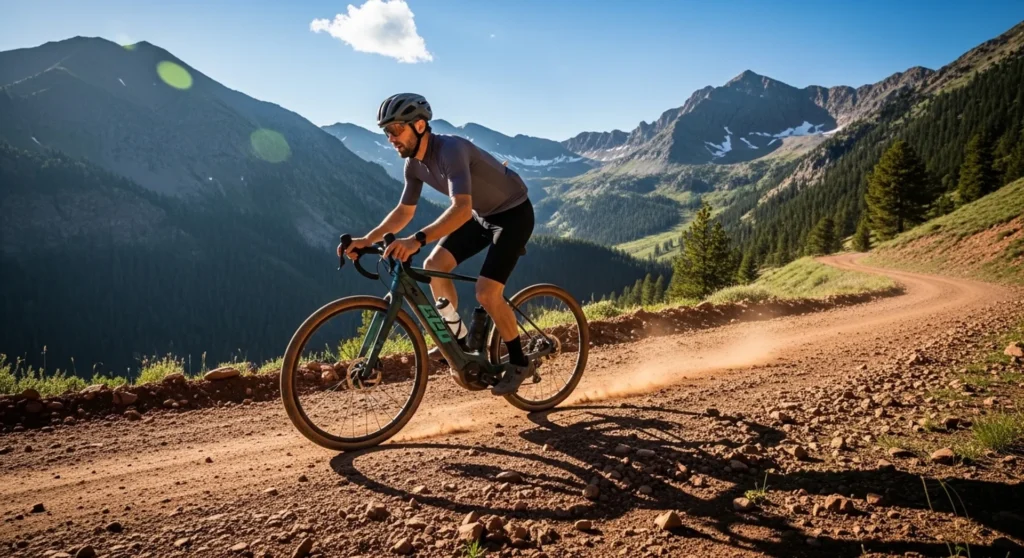
Gravel cycling is no longer just a niche trend for hardcore riders. It has become one of the biggest forces in modern cycling, and in 2026 the conversation is shifting again. Now, more riders are looking at gravel e-bikes as the sweet spot between comfort, range, speed, and adventure.
That shift makes sense. A regular gravel bike already gives riders freedom to leave busy roads, explore mixed terrain, and ride longer routes with more confidence. Add electric assist, and suddenly the bike becomes useful for even more people. Riders can handle hills more easily, extend their mileage, and enjoy off-road routes without feeling destroyed halfway through the day.
This topic fits perfectly with what we already cover at My Bike Site. Our blog has already explored the rise of gravel riding, the debate around electric bikes vs. traditional bikes, and the must-have gear in our guide to top bike accessories. Gravel e-bikes combine all three themes into one category, which is exactly why they feel so relevant right now.
The wider industry is moving the same way. BikeRadar’s 2026 gravel-bike guide highlights how broad the category has become, from racing-focused models to bikepacking-ready designs. Velo also flagged major 2026 gravel-tech trends, including more comfort-focused features and more innovation moving in from mountain biking. On top of that, Cycling Weekly recently reported on Salsa’s Wanderosa, described as an industry-first full-suspension gravel e-bike, which shows how seriously brands are pushing this space.
Why gravel e-bikes are trending so hard in 2026
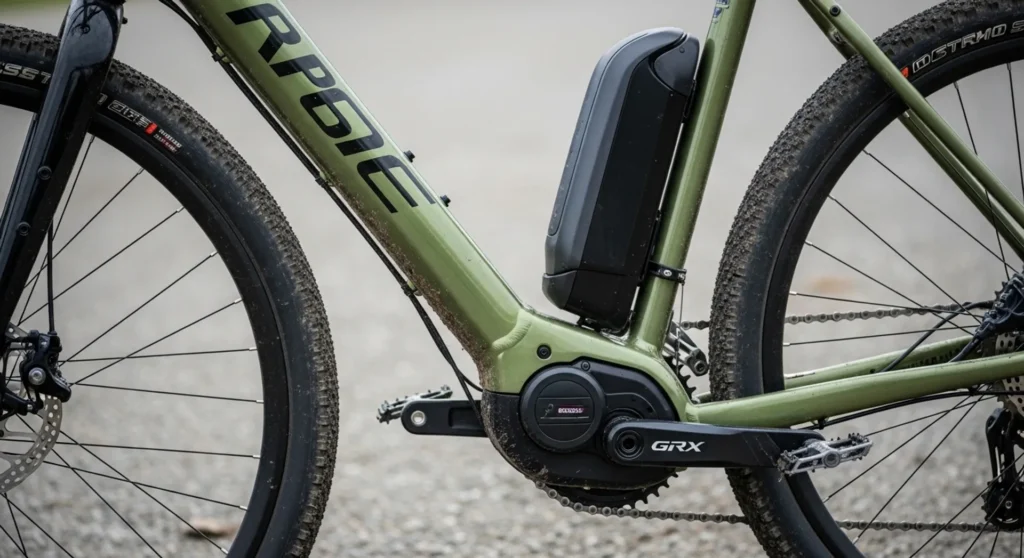
Gravel e-bikes are popular because they solve real riding problems. A lot of cycling trends come and go because they look cool. This one is sticking because it makes riding easier, more versatile, and more inviting for more people.
They make gravel riding more accessible
One of the biggest reasons gravel riding grew in the first place is that it opened the door to more freedom. Our earlier gravel guide explained how riders were drawn to mixed-terrain routes, exploration, and the welcoming nature of gravel culture. Gravel e-bikes keep that same appeal but lower the barrier to entry.
Climbs feel less intimidating
Electric assist helps smooth out one of the hardest parts of gravel riding: steep climbs and rough, energy-draining surfaces. Riders who might avoid hilly routes on a standard bike can stay in the saddle longer and enjoy the ride more.
Longer rides become realistic
Distance becomes less scary when the bike helps you manage energy. That matters for weekend explorers, commuters who want to take a scenic detour, and newer cyclists who are still building endurance.
This is also why gravel e-bikes appeal to riders who are not trying to race. A lot of people want adventure without suffering through every mile. That is not laziness. It is just a different reason for riding.
They blend several cycling trends into one bike
Gravel e-bikes sit at the center of multiple trends at once. Gravel is strong. E-bikes are still growing. Adventure riding and bikepacking remain popular. Riders also want more comfort, more tire clearance, and better control on rough surfaces. Instead of choosing one trend, gravel e-bikes bundle them together.
That is exactly where the 2026 market is moving. Coverage of current gravel-bike tech points to more capability, more comfort, and more crossover with mountain-bike thinking. Recent buyer’s guides also show how gravel bikes now cover everything from race setups to rougher adventure builds.
Then there is the hardware itself. The recent launch of a full-suspension gravel e-bike makes one thing obvious: brands are no longer treating gravel e-bikes like a side project. They are betting that riders want serious off-road comfort with electric support.
How to choose the right gravel e-bike in 2026
Buying a gravel e-bike is not just about picking the most expensive model or the one with the biggest battery. You need a bike that matches how and where you actually ride. That part matters more than hype.
Start with your real riding style
Before looking at motor specs or frame material, ask a more basic question: what do you really want this bike to do?
Adventure and weekend exploration
If you want to ride backroads, light trails, and mixed-surface routes for fun, focus on comfort, stable handling, wider tires, and dependable range. You do not need an ultra-racy setup for that.
Commuting with extra versatility
If you want one bike for weekday travel and weekend escapes, look for mounting points, practical gearing, good lights, and room for bags. A gravel e-bike can cover both jobs better than many pure road bikes.
This is where your existing post on electric bikes vs. traditional bikes becomes useful. That article explains the broader pros of electric assist, but gravel e-bikes narrow the decision further. They make the most sense for riders who want flexibility, mixed terrain, and help over longer distances.
Pay attention to the features that matter
Not every feature deserves equal weight. Some upgrades look flashy on a product page but matter less in real use. Others make a huge difference every ride.
Battery range should sit near the top of your list. A bike with great handling means little if it runs out of support before your route ends. Tire clearance matters too, because wider tires improve comfort and control on gravel. Geometry also matters. A stable bike feels better on loose surfaces than an aggressive one that constantly feels twitchy.
Motor feel is another big one. Some systems deliver support in a smooth, natural way. Others can feel abrupt. On loose terrain, smooth delivery is usually better because it helps with traction and confidence.
If you are new to cycling or buying your first serious bike, you may also want to revisit a beginner-focused guide like our post on top bikes every beginner should consider. Gravel e-bikes are not only for experts. In fact, they can be a smart option for newer riders who want more help and more confidence from day one.
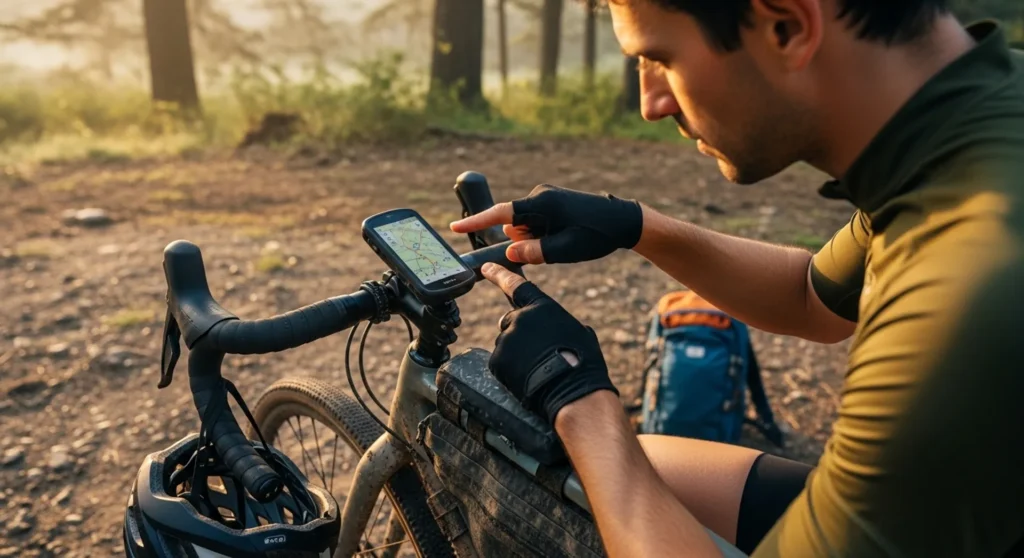
You should also budget for the right accessories. A good helmet, lights, repair kit, hydration setup, and GPS mount can improve every ride. Our post on bike accessories every cyclist should own is a useful place to build that checklist.
Who should buy a gravel e-bike and who should not
Gravel e-bikes are a strong fit for many riders, but not every rider needs one.
You should seriously consider one if you want longer mixed-surface rides, more comfort, easier climbing, and a bike that can handle both commuting and adventure use. They also make sense if you love gravel riding but want to cover more ground without being limited by fatigue.
They may not be the best choice if you want the lightest possible bike, race-focused road performance, or the simplest machine with the fewest maintenance concerns. Electric systems add weight, cost, and complexity. That is the tradeoff.
Still, the overall trend is hard to ignore. Gravel riding already had momentum on My Bike Site before 2026, and the bigger cycling industry is now pushing that category toward even more capability and even more rider-friendly design. When electric assist joins that formula, the result is a bike type that makes sense for a huge range of real-world riders.
If you want an outside authority source while researching bikes and general cycling guidance, the BikeRadar guide to the best gravel bikes in 2026 is a strong place to compare current category direction, and the recent Cycling Weekly report on Salsa’s full-suspension gravel e-bike shows where the category is heading next.
The bottom line is simple. Gravel e-bikes 2026 is not just another gear buzzword. It reflects where cycling is going right now: more comfort, more versatility, more exploration, and fewer limits on who gets to enjoy the ride. If you want one bike that can turn a boring commute into something fun and a weekend ride into a real adventure, this category deserves a hard look.