
Cycling is one of the most popular forms of transportation and exercise in the United States. Whether it’s for commuting in cities or weekend adventures in the countryside, more Americans are hopping on their bikes than ever before. However, with this surge in popularity comes the increasing need for better bike safety. As technology advances, the safety of cyclists has taken center stage, leading to a wave of innovations in biking gear, infrastructure, and safety regulations. In this post, we’ll take a deep dive into the future of bike safety, focusing on the advancements we can expect to see by 2026.
The State of Bike Safety Today
Cycling in the US has experienced a renaissance, with more people choosing to pedal through cities and along country roads. However, this increased activity has also led to an uptick in bike-related accidents. According to the National Highway Traffic Safety Administration (NHTSA), there were over 800 cyclist fatalities in the US in 2020 alone. This figure, though lower than car-related accidents, highlights the need for enhanced safety measures to protect cyclists.
Fortunately, the cycling industry has not been blind to these challenges. Innovations in technology, design, and safety protocols are pushing the boundaries of what’s possible. By 2026, we can expect new tech-driven solutions that will make cycling safer, smarter, and more accessible.
Technological Advancements in Bike Safety
As technology continues to evolve, so too does its ability to enhance bike safety. Let’s take a closer look at the most exciting bike safety innovations that will shape 2026 and beyond.
Smart Helmets: Sensors and Connectivity
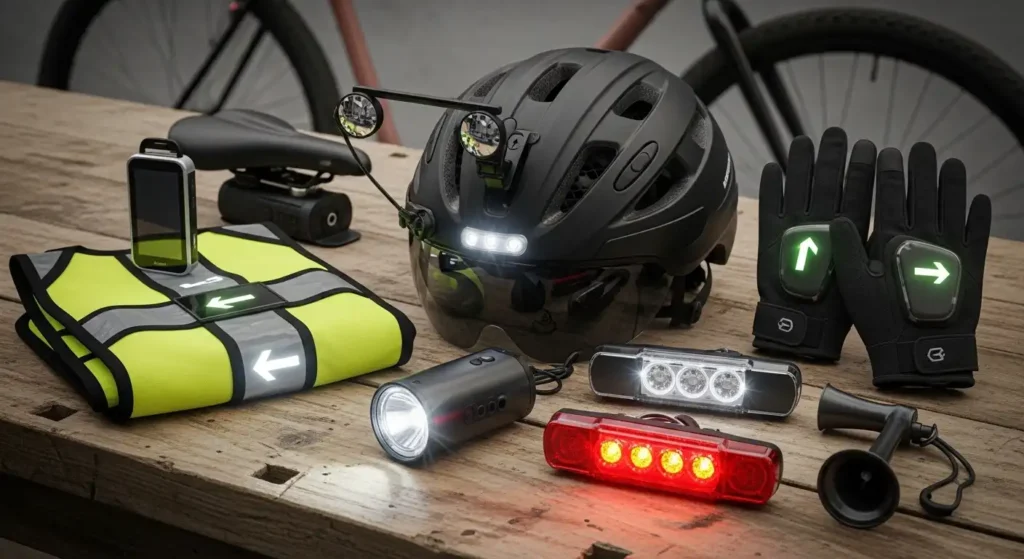
Helmets are one of the most basic yet essential pieces of cycling safety gear. In 2026, helmets will no longer just be simple head protectors. Expect smart helmets equipped with sensors that monitor your health and riding conditions. These helmets could track your speed, heart rate, and body temperature. If a crash occurs, the helmet could even send an emergency alert to your contacts or the authorities.
Leading brands like Coros and Lumos have already made strides in this area, offering helmets with built-in lights, communication systems, and crash detection. By 2026, expect even more integrated features that will make these helmets smarter, more efficient, and more helpful during your ride.
Enhanced Braking Systems
One of the most crucial components of bike safety is the braking system. In 2026, we’ll see advancements in braking technologies that make stopping quicker and safer. Hydraulic disc brakes, which offer better stopping power and control, are expected to become more common. These will be paired with automatic braking systems that use sensors to detect obstacles and engage the brakes in emergency situations.
Additionally, regenerative braking technology could be introduced, allowing cyclists to convert some of the energy from braking into power to charge devices like lights or GPS systems.
Cyclist Safety Monitoring Devices
Imagine having a device that tracks your movements and alerts others if you’re in trouble. That’s the future we’re heading toward. New wearable devices, like advanced fitness trackers and smartwatches, will not only track your riding stats but also monitor your surroundings. Using sensors and GPS, these devices could warn cyclists of potential hazards or even track their path for later review in case of an accident.
Companies are also looking into integrating these devices with cloud services to provide real-time updates to family, friends, or emergency responders.

Safety Gear: Innovations in Clothing and Equipment
Safety gear plays a vital role in protecting cyclists during their rides. However, just as with bikes and helmets, safety gear will undergo some significant innovations by 2026. Let’s explore some of the most exciting developments.
Protective Clothing with Impact Resistance
Cyclists have long relied on pads and other protective gear to minimize injuries. In 2026, we can expect new forms of clothing that integrate impact resistance without compromising comfort or style. Companies are working on lightweight but durable materials that can absorb impacts better, protecting cyclists during falls or collisions.
Jackets, pants, and gloves with embedded protection will become more common, ensuring cyclists remain safe without sacrificing flexibility and comfort.
Airbags for Cyclists
Airbags are a common feature in vehicles, but soon they’ll become a part of cyclists’ gear as well. By 2026, we may see airbag vests and jackets designed to inflate on impact, cushioning the rider’s body during a crash. These devices are still in the prototype phase, but advancements in wearable technology could soon make this life-saving feature a reality.
Smart Lights and Reflective Gear
Visibility is a major factor in bike safety, especially when riding in low-light conditions. In 2026, we’ll see new advancements in bike lights and reflective clothing that adapt to environmental conditions. Smart lights that automatically adjust to changes in ambient light or warn cyclists of potential hazards on the road will become more common. Reflective gear will also be integrated into clothing, offering 360-degree visibility to ensure cyclists are seen from every angle.
Urban Infrastructure and Cycling Safety
Beyond the bike and its accessories, urban infrastructure plays a significant role in cycling safety. Cities across the US are beginning to adapt to the growing number of cyclists, and by 2026, we can expect even more improvements.
Bike Lanes and Roadway Modifications
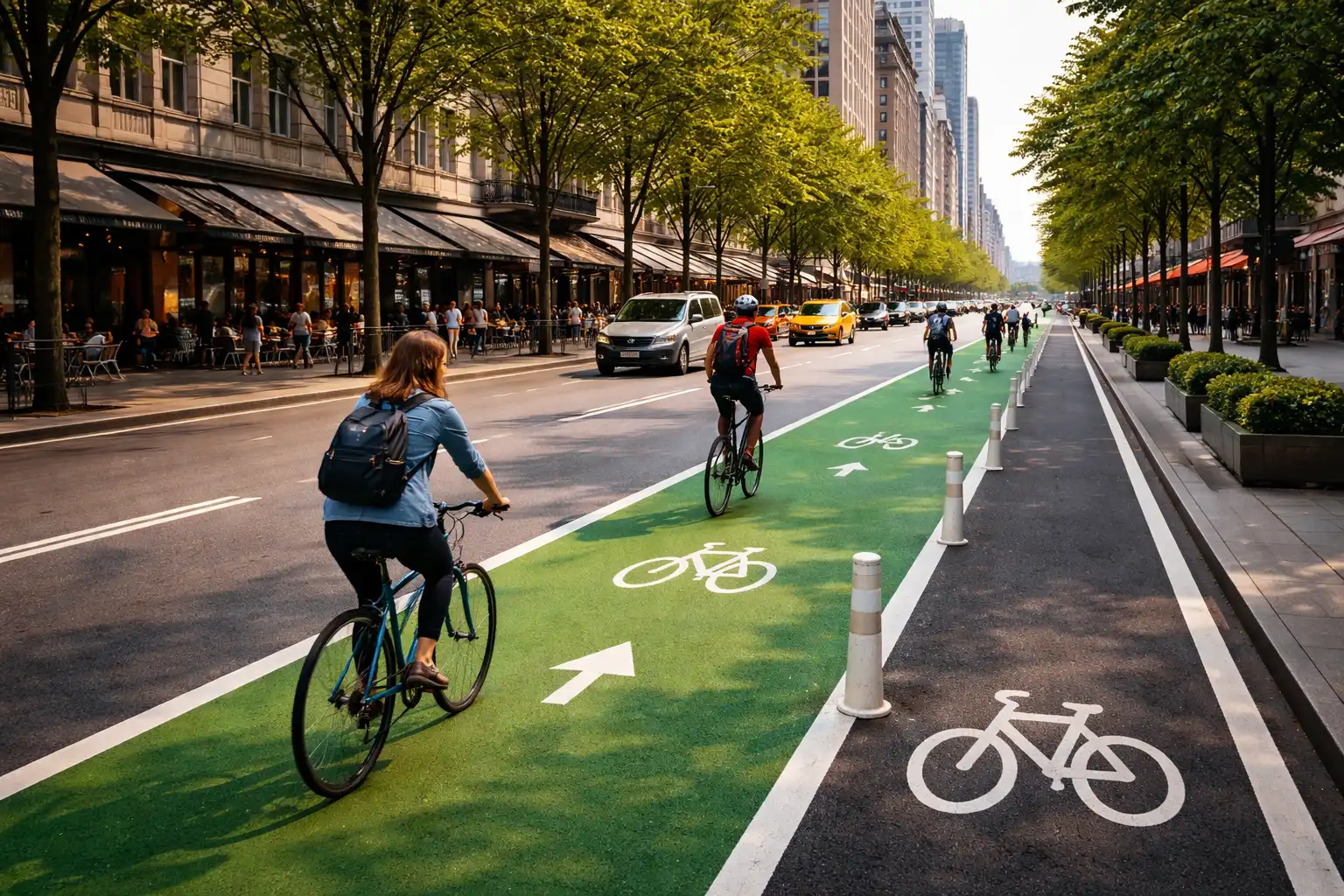
Cities like Portland, New York, and San Francisco have already made strides in implementing bike lanes and road safety modifications. By 2026, these initiatives will expand, with more cities adding dedicated cycling lanes, separated bike paths, and safer intersections. Bike lanes will become safer and more efficient, with improved signage and traffic flow to accommodate the increasing number of cyclists.
Smart Traffic Signals for Cyclists
Traffic lights are another area of innovation for cyclist safety. In 2026, expect to see smart traffic signals specifically designed for cyclists. These signals will allow riders to pass through intersections more safely by providing extended green lights during peak biking hours. Some cities are already testing bike-specific traffic lights, and they will likely become the standard in urban areas across the US.
 Legislation and Regulations: How the Future Will Shape Bike Safety
Government action will be just as crucial in improving bike safety as technological advancements. By 2026, we’ll see more laws and regulations aimed at protecting cyclists.
US Government Initiatives
The federal government has already introduced several programs to promote cycling and improve safety. These initiatives are likely to expand, offering more funding for bike infrastructure and advocating for better safety practices.
Cycling Safety Laws in 2026
We can also expect to see stricter laws regarding cyclist behavior, helmet use, and vehicle-driver interactions. For example, new laws might require cyclists to wear helmets in certain areas, while stricter rules for drivers may mandate more distance when overtaking cyclists. These laws will be a crucial part of creating a safer biking environment.
The Role of Data and AI in Improving Bike Safety
Data and artificial intelligence (AI) are increasingly playing a role in bike safety. By 2026, expect to see more real-time incident detection and predictive analytics used to prevent accidents.
Real-time Incident Detection
AI-powered devices will be able to detect crashes as they happen and send instant alerts to emergency responders or loved ones. This technology will also provide valuable data for accident investigations, helping authorities improve bike safety on a larger scale.
Predictive Analytics for Safer Rides
AI can also analyze bike accident trends and predict dangerous areas or times for cyclists. Using data from thousands of rides, AI systems can suggest safer routes for riders, avoiding areas with a high risk of accidents.
Bike Safety in Emerging Markets
As bike safety innovations progress in the US, they will also reach emerging markets worldwide. These innovations will help improve cycling safety for riders in countries with increasing bike ridership.
Expanding Bike Safety Worldwide
While the US leads the charge in cycling innovations, countries in Europe, Asia, and South America are starting to adopt similar technologies. These global advancements will inspire US cities and cyclists, ultimately improving bike safety standards around the world.
How Global Innovations Will Affect US Cyclists
As new safety features gain traction abroad, US cyclists will benefit from lessons learned and products tested in these markets. Global collaborations will make cutting-edge cycling technology more accessible to American riders.
Conclusion: A Look Ahead at Bike Safety in 2026
The future of bike safety is bright, with numerous innovations set to transform how we cycle. From advanced helmets to smarter infrastructure, the next decade promises to make cycling safer for all riders. As technology continues to evolve, so too will the cycling experience, allowing more people to embrace biking as a safe and sustainable mode of transport.