
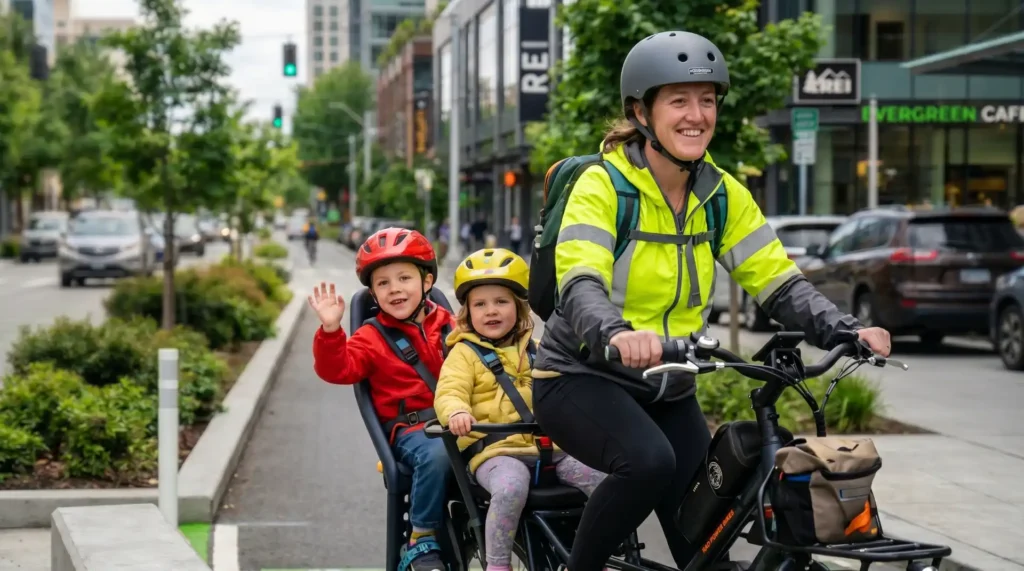
Cargo bikes are becoming increasingly common across American cities. From downtown business districts to suburban neighborhoods, more people are turning to cargo bikes for transportation, deliveries, commuting, and family travel. What once seemed like a niche cycling trend has now become a growing part of urban transportation culture in the United States.
Many Americans are looking for alternatives to traditional car ownership due to rising fuel prices, traffic congestion, expensive parking, and growing environmental awareness. Cargo bikes offer a practical option for short-distance transportation while also supporting a more active lifestyle. Cities that continue expanding bike lanes and cycling infrastructure are helping accelerate this shift.
The growing popularity of electric cargo bikes has also made these bicycles more accessible for everyday riders. Carrying groceries, transporting children, or hauling work equipment becomes easier with pedal-assist technology. As a result, cargo bikes are no longer limited to cycling enthusiasts. Families, commuters, delivery workers, and small businesses are now adopting them across the country.
According to PeopleForBikes, investments in cycling infrastructure and increased interest in e-bikes continue shaping transportation trends throughout the United States.
What Is a Cargo Bike?
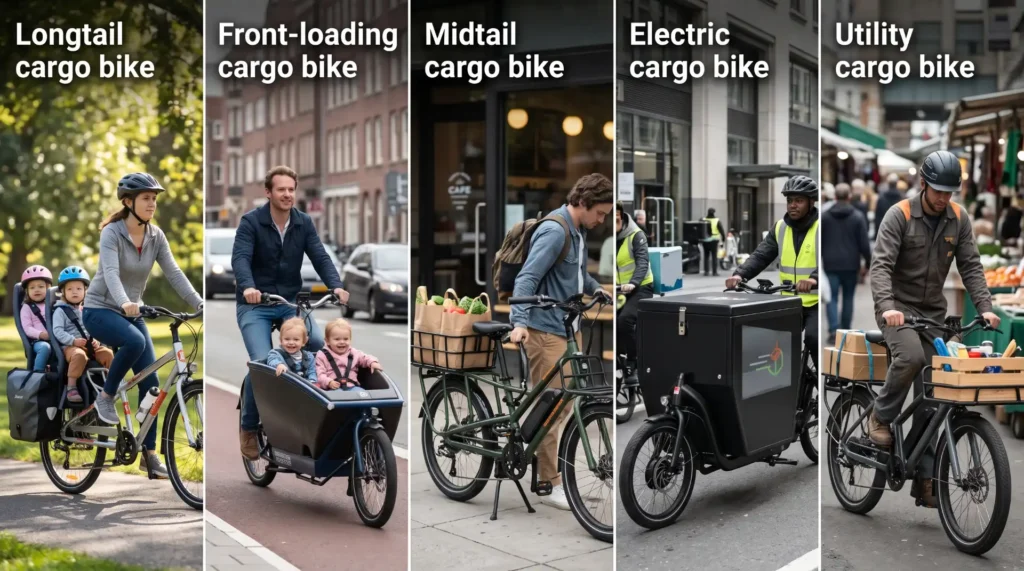
A cargo bike is a bicycle specifically designed to carry larger loads or multiple passengers. These bikes typically feature reinforced frames, extended wheelbases, larger racks, or front-loading storage areas. Some models focus on transporting children, while others are designed for commercial deliveries or everyday errands.
Cargo bikes generally fall into several categories:
- Longtail cargo bikes
- Front-loading cargo bikes
- Midtail cargo bikes
- Electric cargo bikes
- Utility cargo bikes
Each style offers different advantages depending on the rider’s needs. Front-loading cargo bikes often include enclosed seating areas for children or groceries. Longtail bikes provide extended rear racks for passengers or cargo. Electric cargo bikes combine these designs with pedal assistance for easier riding.
Many modern cargo bikes also include weather protection accessories, storage systems, integrated lighting, and smartphone connectivity features.
Why Cargo Bikes Are Becoming Popular in American Cities
American cities continue facing transportation challenges related to traffic congestion, parking shortages, and rising commuting costs. In cities like New York, Portland, Chicago, Seattle, and San Francisco, many residents are searching for transportation methods that feel more efficient and flexible.
Cargo bikes help solve several common urban transportation problems. Riders can often avoid traffic, reduce transportation expenses, and access destinations more quickly in crowded downtown areas. Unlike cars, cargo bikes require less parking space and generally involve lower maintenance costs.
The growth of bike-friendly infrastructure also plays a major role. More cities are building protected bike lanes, expanding greenways, and investing in cycling safety projects. These improvements make cycling feel safer for commuters and families.
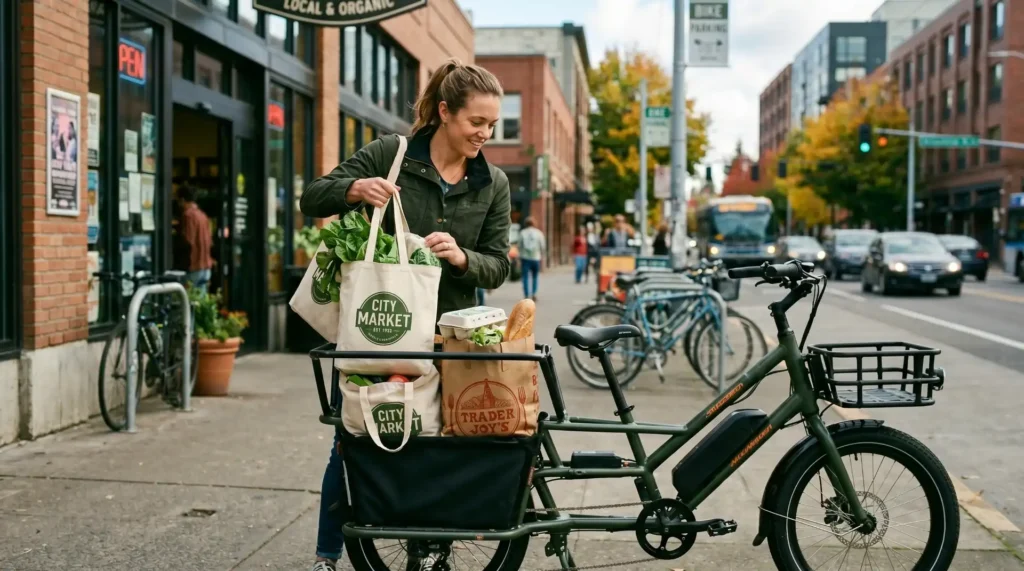
Short-distance trips are especially well suited for cargo bikes. Many urban errands involve destinations located only a few miles apart. Grocery stores, schools, parks, restaurants, and offices may all be accessible without needing a car.
Electric Cargo Bikes Are Driving Growth
Electric cargo bikes are one of the biggest reasons behind the growing popularity of cargo bikes in the United States. Traditional cargo bikes may require more physical effort when carrying heavy loads or riding uphill. Electric pedal-assist systems help reduce that challenge.
Most electric cargo bikes use rechargeable batteries that provide assistance while pedaling. Riders can carry groceries, children, backpacks, or equipment without feeling overwhelmed by the added weight.
Modern electric cargo bikes often include:
- Integrated lighting systems
- GPS navigation
- Long-range batteries
- Digital displays
- Smartphone integration
- Theft tracking technology
These features help make cargo bikes feel more practical for everyday transportation.
The increased range offered by electric systems also allows riders to travel farther distances. Some riders now use cargo bikes for daily commuting instead of relying on cars.
Families Are Replacing Short Car Trips
Families represent one of the fastest-growing groups adopting cargo bikes in urban America. Parents are increasingly using cargo bikes for school drop-offs, grocery shopping, daycare transportation, and neighborhood errands.
Many cargo bike models now include:
- Child seating systems
- Seat belts
- Weather covers
- Storage compartments
- Passenger benches
These additions make cargo bikes feel more practical for family transportation.
In busy urban neighborhoods, cargo bikes may even save time compared to driving. Traffic congestion and parking delays often make short car trips inefficient. Cargo bikes allow riders to use bike lanes and avoid many common traffic frustrations.
Parents may also appreciate the outdoor experience that cycling provides. Children riding in cargo bikes often enjoy being outside rather than sitting in a car.
As cities continue improving bike infrastructure, family-oriented cargo biking continues growing in popularity.
Businesses Are Using Cargo Bikes for Deliveries
Cargo bikes are also becoming popular among businesses and delivery services. Restaurants, grocery companies, couriers, and local retailers are increasingly using cargo bikes for short-distance deliveries.
Urban delivery traffic can create major delays for traditional vehicles. Cargo bikes offer greater flexibility in crowded downtown areas while reducing parking challenges.
Several American cities now support cargo bike delivery programs as part of broader sustainability initiatives. Electric cargo bikes are especially useful for food deliveries and package transportation.
Businesses using cargo bikes may benefit from:
- Lower fuel costs
- Easier parking
- Reduced maintenance expenses
- Faster downtown deliveries
- Improved environmental image
Some logistics companies are experimenting with cargo bike hubs where packages are transferred from trucks to bikes for final delivery routes.
This approach may help reduce urban congestion while supporting cleaner transportation systems.
Cargo Bikes Support Environmental Goals
Environmental concerns are another major reason for the rise of cargo bikes in American cities. Transportation emissions remain a significant issue in many urban areas. Some residents are searching for ways to reduce their environmental impact without sacrificing convenience.
Cargo bikes offer an alternative for short-distance transportation that does not rely heavily on gasoline-powered vehicles. Even electric cargo bikes typically consume far less energy compared to cars.
Cities focused on climate initiatives often encourage cycling through:
- Protected bike lanes
- Public cycling programs
- E-bike incentives
- Car-free zones
- Green transportation policies
Reducing short car trips may help decrease traffic congestion and improve urban air quality.
Cargo bikes also support quieter city streets since they produce significantly less noise than traditional vehicles.
Cargo Bikes and Urban Infrastructure
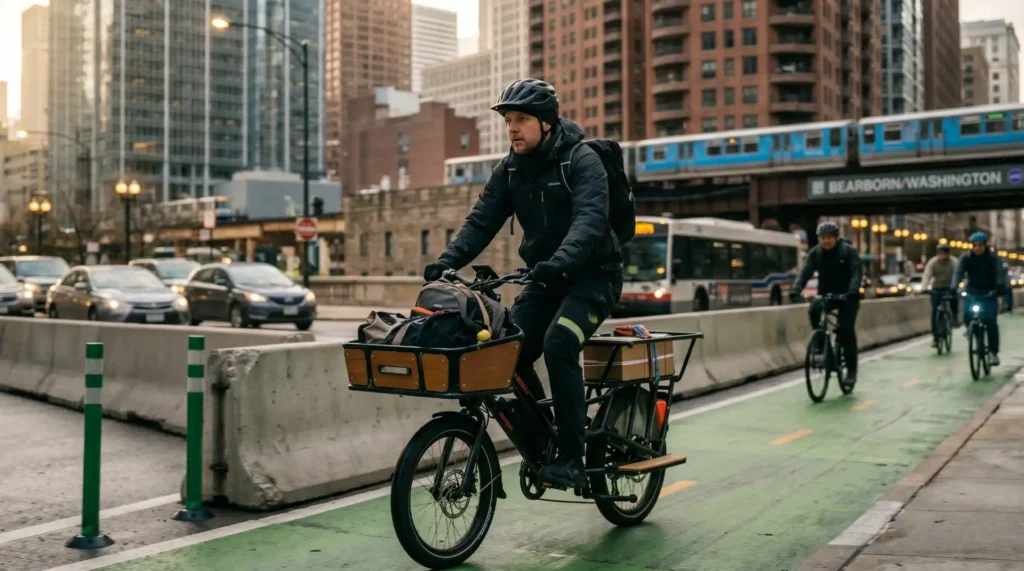
The success of cargo bikes often depends on city infrastructure. Protected bike lanes, secure parking areas, and traffic-calming projects help make cycling safer and more appealing.
Several American cities have invested heavily in cycling infrastructure over the past decade. Portland, Minneapolis, Boulder, Seattle, and Washington D.C. continue expanding bike networks that support both commuters and recreational riders.
Cargo bikes require slightly more space than traditional bicycles, so cities are beginning to adapt infrastructure accordingly. Wider bike lanes and dedicated cargo bike parking areas are becoming more common.
Some cities are also introducing bike-friendly traffic signals and low-speed transportation corridors designed specifically for cyclists and pedestrians.
These infrastructure improvements may encourage more residents to consider cargo bikes as practical transportation options.
Challenges Facing Cargo Bike Adoption
Despite growing popularity, cargo bikes still face several challenges in the United States.
One major obstacle involves cost. Electric cargo bikes can be expensive compared to traditional bicycles. High-end models may cost several thousand dollars, which can discourage some potential buyers.
Limited infrastructure remains another issue in many cities. Areas without protected bike lanes may feel unsafe for families or inexperienced riders.
Weather conditions may also affect cargo bike use in certain regions. Snow, heavy rain, or extreme heat can make year-round cycling more difficult.
Storage space can also be challenging for apartment residents. Cargo bikes are larger than standard bicycles and may require secure storage solutions.
Even with these challenges, interest in cargo bikes continues growing as technology improves and urban transportation habits evolve.
The Future of Cargo Bikes in the United States
Cargo bikes are likely to remain an important part of urban transportation discussions in the coming years. As American cities continue exploring ways to reduce traffic congestion and support sustainable transportation, cargo bikes offer a practical solution for many short-distance trips.
E-bike technology is expected to continue improving with lighter batteries, longer range, and smarter navigation systems. More businesses may also adopt cargo bikes for local deliveries as cities become increasingly crowded.
Government incentive programs could further encourage cargo bike adoption. Some cities and states already offer rebates or tax incentives for electric bike purchases.
Public attitudes toward cycling are also changing. Many Americans now view bikes as practical transportation tools rather than only recreational equipment.
Cargo bikes represent a shift toward more flexible urban transportation systems that prioritize accessibility, efficiency, and sustainability.
Conclusion
The rise of cargo bikes in American cities reflects changing transportation priorities across the United States. Families, commuters, and businesses are increasingly searching for alternatives to traditional car dependency, especially for short-distance travel.
Cargo bikes provide a versatile solution that combines convenience, carrying capacity, and environmental benefits. The growing popularity of electric cargo bikes has made this transportation option more accessible for everyday riders.
As cycling infrastructure continues improving and urban transportation evolves, cargo bikes may become an even more common part of American city life. Whether used for commuting, grocery shopping, school transportation, or commercial deliveries, cargo bikes are helping reshape how people move through urban environments.